
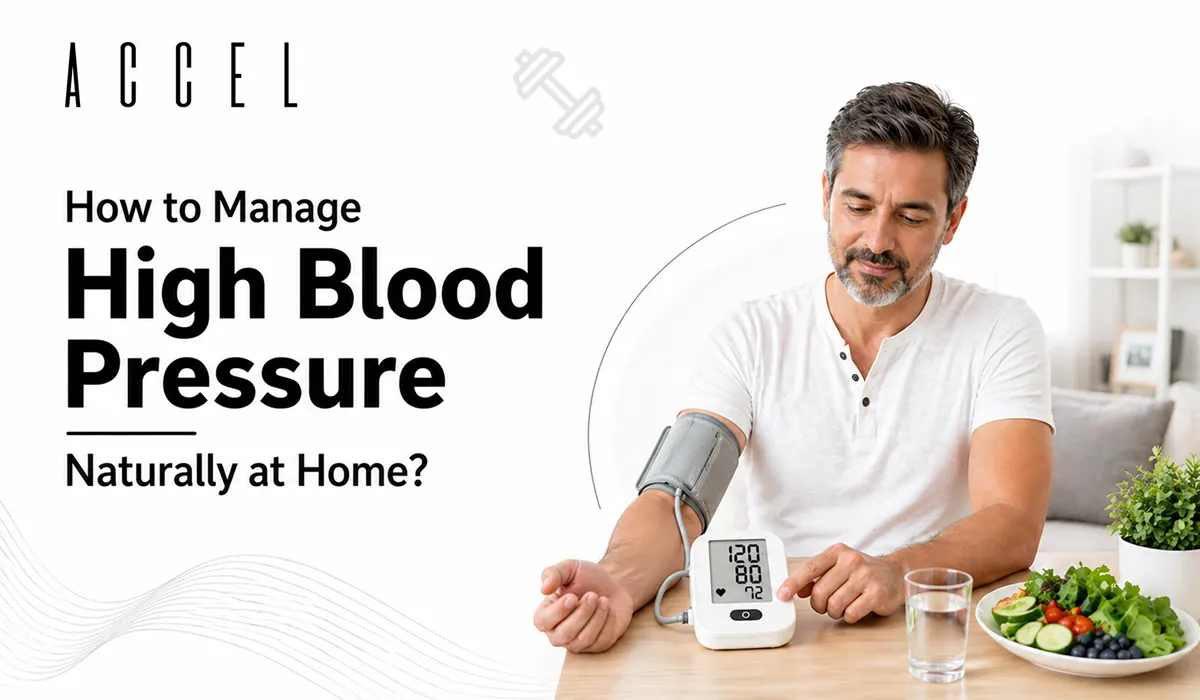
High blood pressure, also known as hypertension, is a common health condition that affects many individuals worldwide. It often develops gradually and may not show obvious symptoms, which is why it is sometimes referred to as a “silent condition.” If left unmanaged, high blood pressure can increase the risk of serious health issues such as heart disease, stroke, and kidney problems.
The good news is that blood pressure can often be managed effectively through natural lifestyle changes. While medications are available and may be necessary in some cases, adopting healthy habits can play a significant role in maintaining balanced blood pressure levels while also supporting overall wellness, including how to boost energy levels naturally.
Simple adjustments such as improving your diet, staying physically active, managing stress, and getting enough rest can make a noticeable difference over time. By focusing on these natural methods, you can support your heart health and overall well-being in a sustainable way.
Key Highlights
- High blood pressure can develop without noticeable symptoms.
- Lifestyle changes play a major role in managing hypertension.
- A balanced diet and reduced sodium intake are essential.
- Stress management and proper sleep improve heart health.
- Healthy habits can reduce long-term health risks.
Why Managing Blood Pressure Is Important
Maintaining healthy blood pressure levels is essential for proper circulation and overall body function. When blood pressure is too high, it puts extra strain on the heart and blood vessels, which can lead to long-term damage.
Managing blood pressure naturally not only helps reduce the risk of serious conditions but also improves energy levels, mental clarity, and overall quality of life. Early prevention and consistent lifestyle habits are key to maintaining a healthy heart.

Natural Ways to Control High Blood Pressure
1. Reduce Sodium Intake
Salt is a common part of daily meals, but consuming too much sodium can negatively affect your health. Studies suggest that high sodium intake may contribute to increased blood pressure and raise the risk of heart-related issues.
Reducing salt in your diet is one of the simplest and most effective ways to manage blood pressure. Opting for home-cooked meals instead of processed foods allows better control over sodium intake. Choosing fresh ingredients and using herbs or spices for flavour can also help reduce reliance on salt.
2. Manage Excess Body Fat
Excess body fat can have a significant impact on overall health and may contribute to higher cholesterol levels. When fat accumulates in the body, it can block arteries and restrict proper blood flow, leading to increased pressure on the heart.
Maintaining a healthy weight through regular physical activity can help improve metabolism and support better circulation. Activities such as walking, jogging, or strength training can contribute to fat loss and help regulate blood pressure levels while also supporting overall vitality through natural ways to boost energy levels daily.
3. Reduce Stress Levels
Stress and anxiety can affect both mental and physical health. When you are under stress, your heart rate increases and blood vessels may tighten, which can raise blood pressure. Long-term stress can also lead to unhealthy habits such as overeating, smoking, or consuming alcohol.
Managing stress is an important step in maintaining healthy blood pressure. Activities such as meditation, listening to music, exercising, or engaging in hobbies can help relax the mind and body. Taking regular breaks and maintaining a work-life balance also contribute to better stress management.
4. Get Enough Sleep
Sleep plays a crucial role in maintaining overall health. Getting around 7–8 hours of quality sleep each night allows the body to recover and maintain its natural balance.
Lack of sleep over time can contribute to higher blood pressure and increased stress levels. On the other hand, proper rest helps the body relax, supports heart health, and improves energy levels. Establishing a consistent sleep routine can significantly benefit your overall well-being.
5. Eat a Healthy Diet
A balanced diet is essential for maintaining healthy blood pressure levels. Including a variety of fruits, vegetables, whole grains, and low-fat dairy products in your meals provides essential nutrients that support heart health.
Foods that are low in saturated fat and cholesterol are beneficial for maintaining proper circulation. Additionally, potassium-rich foods, especially fruits and vegetables, help balance the effects of sodium in the body and support normal blood pressure levels.
Making mindful food choices and avoiding excessive processed or high-fat foods can contribute to long-term health benefits.
6. Quit Smoking
Smoking has a direct impact on blood pressure and overall cardiovascular health. It can cause blood vessels to narrow and increase the strain on the heart, leading to higher blood pressure levels.
Quitting smoking is one of the most effective steps you can take to improve your health. It not only helps lower blood pressure but also reduces the risk of heart disease and other serious conditions. Seeking professional support and setting clear goals can improve the chances of successfully quitting.
Additional Tips for Maintaining Healthy Blood Pressure
- Stay physically active with regular exercise
- Maintain a healthy body weight
- Limit alcohol consumption
- Stay hydrated throughout the day
- Monitor your blood pressure regularly.
These additional habits can support your efforts in maintaining balanced blood pressure levels.
Quick Daily Routine for Heart Health
- Exercise for at least 30 minutes
- Eat a balanced and nutritious diet
- Get 7–8 hours of sleep
- Practice stress management techniques
- Avoid excessive salt and processed foods
Conclusion
High blood pressure is a serious condition, but it can often be managed effectively through natural lifestyle changes. Reducing sodium intake, maintaining a healthy weight, managing stress, and getting enough sleep are all important steps toward better heart health.
Adopting these habits not only helps control blood pressure but also improves overall well-being and quality of life. Small, consistent changes can make a significant difference over time.
For individuals looking for more information and guidance on maintaining a healthy lifestyle, reliable platforms like Accel Pharm can provide useful insights and support.
Frequently asked questions
1. What is high blood pressure and why is it dangerous?
High blood pressure, or hypertension, is a condition where the force of blood against artery walls is consistently too high. If left unmanaged, it can increase the risk of heart disease, stroke, and kidney problems.
2. Can high blood pressure be managed naturally at home?
Yes, in many cases, high blood pressure can be managed through natural lifestyle changes such as a healthy diet, regular exercise, stress management, and proper sleep.
3. How does reducing salt intake help control blood pressure?
Excess sodium can cause the body to retain water, which increases pressure on blood vessels. Reducing salt intake helps improve circulation and lowers blood pressure levels.
4. What type of diet is best for managing high blood pressure?
A balanced diet rich in fruits, vegetables, whole grains, and low-fat dairy is ideal. Foods high in potassium and low in saturated fats help support healthy blood pressure.
5. Does stress affect blood pressure?
Yes, stress can temporarily increase blood pressure by raising heart rate and tightening blood vessels. Long-term stress may also lead to unhealthy habits that further increase blood pressure.
6. How much exercise is needed to control blood pressure?
At least 30 minutes of moderate physical activity, such as walking or jogging, most days of the week can help lower and manage blood pressure effectively.
7. When should someone seek medical advice for high blood pressure?
If blood pressure readings remain consistently high or if symptoms like headaches, dizziness, or chest discomfort occur, it is important to consult a healthcare professional.
Disclaimer: This content is for informational purposes only and is not medical advice. Always consult a healthcare professional before using any steroids, SARMs, or supplements. Use products responsibly and in accordance with Canadian laws.