Post Cycle Therapy, commonly referred to as PCT, is a term that comes up frequently in fitness and bodybuilding circles, but it’s often misunderstood. This article breaks down what PCT actually is, why it exists, and what people should understand about hormone recovery before considering it, without the marketing hype that often surrounds the topic.
What Is Post Cycle Therapy?
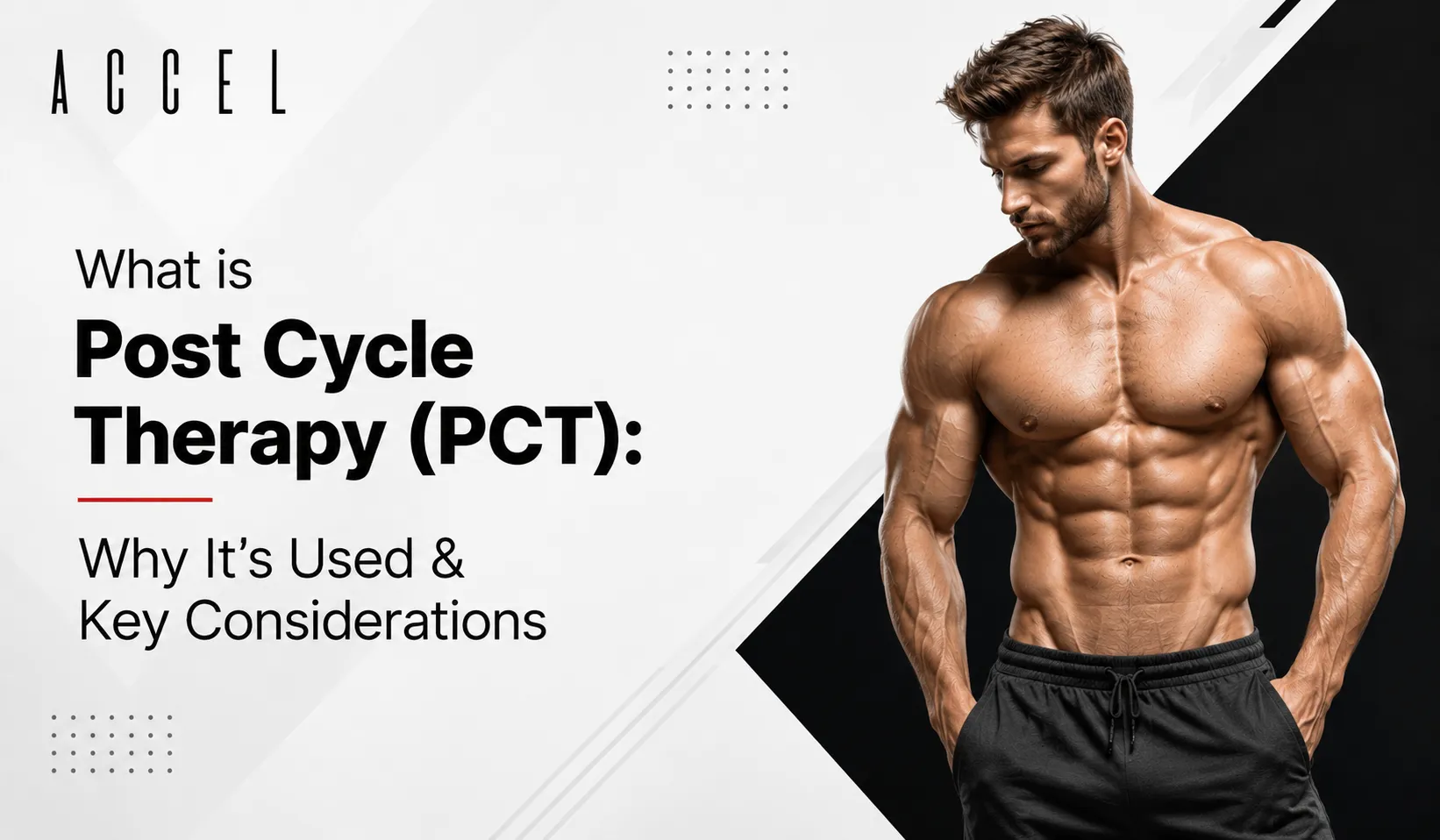
Post Cycle Therapy refers to a period of recovery, and sometimes medical intervention, aimed at helping the body’s natural hormone production return to normal after it has been suppressed. This suppression typically occurs following the use of substances that interfere with the body’s natural testosterone production, such as anabolic steroids or certain performance-enhancing compounds. According to what is post cycle therapy, the underlying goal of PCT is hormone recovery support, not muscle building in itself. It’s a corrective process, not a performance enhancer.
Why the Body Needs Recovery Support
When external hormones are introduced into the body over an extended period, the body’s own hormone-producing systems, primarily the hypothalamic-pituitary-gonadal axis, can slow down or temporarily shut off production. This happens because the body senses adequate hormone levels already present and reduces its own output in response. Once the external source is stopped, natural production doesn’t always resume immediately. This gap is where symptoms like fatigue, low mood, reduced muscle maintenance, and other signs of low testosterone can appear, which is why hormone recovery support becomes relevant.

Common Approaches Used in PCT
PCT protocols generally fall into a few categories. Selective estrogen receptor modulators (SERMs) are among the most studied options and are typically prescription medications used under medical supervision to help stimulate the body’s own hormone signaling pathways. Aromatase inhibitors are sometimes used to manage estrogen levels during this period. Some people also turn to liver support supplements, since certain compounds that suppress natural hormone production can also place strain on liver function. It’s worth noting that not everything marketed as “PCT” is medically necessary or appropriate for every individual, and the right approach varies significantly based on what was used, for how long, and a person’s overall health profile.
PCT Benefits: What It’s Actually Meant to Do
The core PCT benefits people seek are centered on restoring hormonal balance, supporting natural testosterone production, and minimizing the extended fatigue and mood disruption that can follow a period of hormone suppression.
It is not intended as a shortcut to additional muscle growth, despite how it’s sometimes marketed. Its role is restorative, helping the body return to its baseline function rather than pushing performance beyond it.
Understanding PCT Side Effects and Safety
Like any intervention involving hormone regulation, PCT is not without risks. Depending on the specific compounds used, potential side effects can include mood changes, visual disturbances, changes in blood clotting risk, and liver strain. This is why medical oversight matters.
Bloodwork before and during a recovery period helps determine whether hormone levels are genuinely low, and whether an intervention is appropriate at all. Self-directing this process without proper testing can mean either under-treating a real hormonal imbalance or introducing medication unnecessarily.
If you wish to buy PCT in Canada, you can check out the official site of Accel Pharm.
How Long Does Hormone Recovery Take?
There’s no fixed answer to how long post cycle therapy takes to show results, because recovery timelines depend on the individual, the substances previously used, dosage history, and overall health.
Some people see hormone markers normalize within a matter of weeks, while others take considerably longer. This is another reason why bloodwork-guided recovery, rather than a fixed generic timeline, tends to produce more reliable outcomes. Individuals following a medically supervised recovery plan may also choose to buy post cycle therapy in Canada to support their post-cycle protocol.

The Case for Medical Guidance
Because PCT deals directly with the body’s hormone systems, it isn’t something that should be approached casually. A proper evaluation typically starts with bloodwork to confirm whether testosterone and related hormone levels are actually outside a healthy range.
From there, a qualified healthcare provider can determine whether a recovery protocol is warranted and what it should involve.
Platforms like Accel Pharm exist to help explain this process in plain terms, but any decision about starting a hormone recovery protocol should involve a conversation with a doctor rather than self-directed use based on general information alone.
Disclaimer: This content is for informational purposes only and is not medical advice. Always consult a healthcare professional before using any steroids, SARMs, or supplements. Use products responsibly and in accordance with Canadian laws.
Frequently Asked Questions
What is Post Cycle Therapy and how does it work?
PCT is a recovery-focused process intended to help the body’s natural hormone production return to normal after it has been suppressed, typically through medical guidance and monitoring.
What are the benefits of using PCT?
The main goal is restoring hormonal balance and supporting the body’s return to normal testosterone production, along with easing symptoms related to low hormone levels during recovery.
How does PCT support hormone balance and testosterone recovery?
Certain medications used in PCT protocols help stimulate the body’s own hormone signaling pathways, encouraging natural production to resume rather than replacing it externally.
What are the possible side effects of PCT?
Depending on the specific approach used, potential side effects can include mood changes, liver strain, and other hormone-related effects, which is why medical supervision is important.
How should PCT be used safely?
Safe use starts with bloodwork to confirm an actual hormonal imbalance, followed by guidance from a qualified healthcare provider rather than self-directed use.