
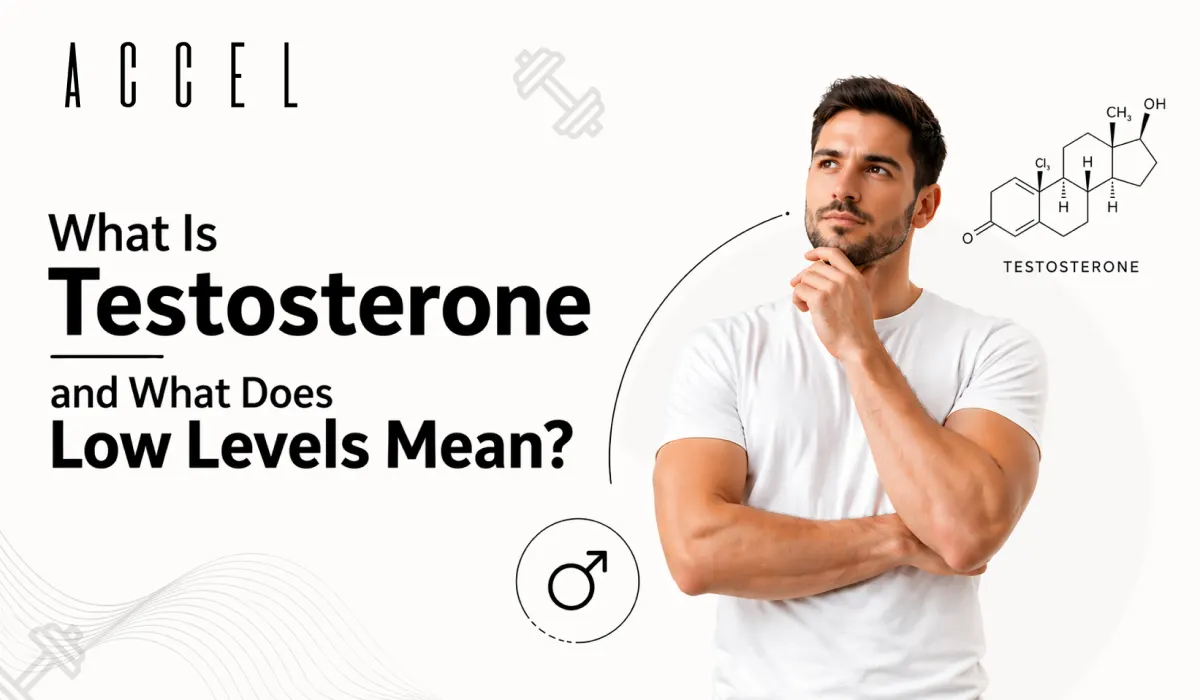
Testosterone is one of the most important hormones in the human body, especially for men. It plays a key role in maintaining energy levels, muscle strength, bone density, mood, and overall physical performance. Although both men and women produce testosterone, it is the primary hormone responsible for male development and health.
In daily life, many men may experience changes in their energy levels, mood, or sexual health without realizing that hormones like testosterone could be a contributing factor. While occasional fluctuations are normal, significantly low testosterone levels can impact overall well-being and quality of life, making it important to understand healthy testosterone levels by age.
Understanding what testosterone does and how low levels affect the body is essential for maintaining long-term health. By recognizing the signs early and making the right lifestyle choices, it is possible to support healthy hormone levels naturally.
Key Highlights
- Testosterone is the primary male hormone responsible for strength and vitality.
- Low levels can affect energy, mood, and sexual health.
- Age, stress, and lifestyle factors can influence hormone levels.
- A balanced diet and healthy habits can support testosterone production.
- Early awareness helps in better management and prevention.
Why Testosterone Is Important for Men’s Health
Testosterone plays a central role in various bodily functions. It supports muscle growth, bone strength, and fat distribution, while also influencing mood and mental clarity. Healthy testosterone levels contribute to overall vitality, confidence, and physical performance.
In addition, testosterone is closely linked to sexual health. It helps regulate libido and supports normal erectile function. When levels are balanced, men are more likely to maintain both physical and mental well-being.
However, when testosterone levels decline significantly, it can disrupt these functions and lead to noticeable changes in the body.

Low Testosterone: Causes and Concerns
1. Natural Aging
One of the most common causes of low testosterone is aging. As men grow older, testosterone levels naturally begin to decline. This gradual decrease may lead to reduced energy, lower muscle mass, and changes in sexual health over time.
2. Poor Diet and Nutrition
The body produces testosterone using cholesterol and essential nutrients. A diet lacking in vitamins, minerals, and healthy fats can affect hormone production. Including nutrient-rich foods is important for maintaining proper testosterone levels.
3. Stress and Lifestyle Factors
Chronic stress increases cortisol levels in the body, which can negatively impact testosterone production. Poor sleep, lack of physical activity, and unhealthy habits can further contribute to hormonal imbalance.
4. Underlying Health Conditions
Certain health conditions, including liver issues and metabolic disorders, may affect hormone production. Since the liver plays a role in regulating hormones, any imbalance can influence testosterone levels.
5. Emotional and Psychological Factors
Low libido and reduced energy may also be influenced by emotional or psychological stress. In many cases, a combination of physical and mental factors contributes to low testosterone levels.
Common Signs of Low Testosterone
1. Increased Body Fat
One of the noticeable signs of low testosterone is weight gain, particularly around the abdominal area. Changes in metabolism can make it easier to accumulate fat.
2. Hair Thinning
A receding hairline or thinning hair may also be linked to hormonal changes. Testosterone plays a role in hair growth patterns, and lower levels may affect this process.
3. Low Energy and Fatigue
Persistent tiredness and reduced stamina are common symptoms. Individuals may feel less active and experience slower mental processing or lack of focus.
These signs indicate that the body may require better nutritional support and healthier lifestyle habits to maintain hormone balance.
Top 5 Foods That May Support Testosterone
1. Low-Fat Milk
Low-fat milk is a good source of vitamin D and calcium, both of which are important for maintaining hormone balance and bone health.
2. Egg Yolks
Egg yolks contain healthy fats and cholesterol, which are essential for testosterone production. They also provide important vitamins that support overall health.
3. Bananas
Bananas contain bromelain, an enzyme that may help support testosterone production. They also provide quick energy and essential nutrients.
4. Beans
Beans are rich in zinc and plant-based protein, both of which play a role in supporting hormone levels and muscle health.
5. Tuna
Tuna is high in vitamin D and protein, making it beneficial for maintaining healthy testosterone levels and supporting overall body function.
Including these foods in your daily diet can help provide the nutrients needed to support natural testosterone production.
Lifestyle Tips to Support Testosterone Naturally
- Maintain a balanced and nutritious diet
- Exercise regularly, including strength training
- Get 7–8 hours of quality sleep each night
- Manage stress through relaxation techniques
- Avoid excessive processed foods and unhealthy habits.
These simple lifestyle changes can help improve hormone balance and overall health.
Conclusion
Testosterone plays a vital role in maintaining energy, strength, and overall well-being in men. When levels drop too low, it can lead to fatigue, reduced performance, and various health concerns.
By focusing on healthy habits such as proper nutrition, regular exercise, and stress management, it is possible to support natural testosterone levels. Including nutrient-rich foods and maintaining a balanced lifestyle can make a significant difference over time.
For individuals looking for additional guidance on health and wellness, trusted platforms like Accel Pharm can provide useful information and support for maintaining overall well-being.
Final Thoughts
Testosterone is essential for male vitality, influencing everything from energy levels to mood and physical performance. Natural foods remain one of the most effective ways to support hormone balance.
For example, bananas contain bromelain, which may help support testosterone production, making them a simple and beneficial addition to your diet. Maintaining a healthy lifestyle with proper nutrition, regular activity, and adequate rest is key to supporting long-term hormone health.
In some cases, supplements may be considered under professional guidance, but focusing on natural methods should always be the first step toward improving overall health and well-being.
Read more: Testosterone vs Estrogen
Frequently asked questions
1. What is testosterone and why is it important?
Testosterone is the primary male hormone responsible for muscle growth, bone density, energy levels, mood, and sexual health. It plays a vital role in overall physical and mental well-being.
2. What causes low testosterone levels?
Low testosterone can be caused by natural aging, poor diet, chronic stress, lack of sleep, unhealthy lifestyle habits, and certain underlying health conditions.
3. What are the common signs of low testosterone?
Common signs include low energy, fatigue, increased body fat, reduced muscle mass, hair thinning, low libido, and decreased motivation or focus.
4. At what age does testosterone start to decline?
Testosterone levels typically begin to decline gradually after the age of 30. This is a natural process, but lifestyle factors can influence how quickly levels drop.
5. Can diet help improve testosterone levels?
Yes, a balanced diet rich in nutrients such as vitamin D, zinc, healthy fats, and protein can support natural testosterone production. Foods like eggs, tuna, beans, and bananas can be beneficial.
6. How can lifestyle changes support healthy testosterone levels?
Regular exercise, especially strength training; proper sleep; stress management; and avoiding processed foods can help maintain and improve testosterone levels naturally.
7. When should someone seek medical advice for low testosterone?
If symptoms such as persistent fatigue, low libido, or noticeable physical changes persist over time, it is essential to consult a healthcare professional for a proper evaluation and guidance.
Disclaimer: This content is for informational purposes only and is not medical advice. Always consult a healthcare professional before using any steroids, SARMs, or supplements. Use products responsibly and in accordance with Canadian laws.