

A strong immune system is key to staying healthy and warding off common illnesses. While no single food guarantees protection from sickness, eating a balanced, nutrient-rich diet can significantly support your body’s natural defence system. Poor nutrition, stress, and lack of sleep can weaken immunity, making it harder for your body to fight off infections.
Choosing the right foods every day is an important first step toward better immunity. Including fruits, vegetables, dairy, and other wholesome options helps provide the vitamins, minerals, antioxidants, and probiotics your body needs for optimal functioning.
In this article, we explore the top foods that can naturally strengthen the immune system and the reasons why they are so beneficial.
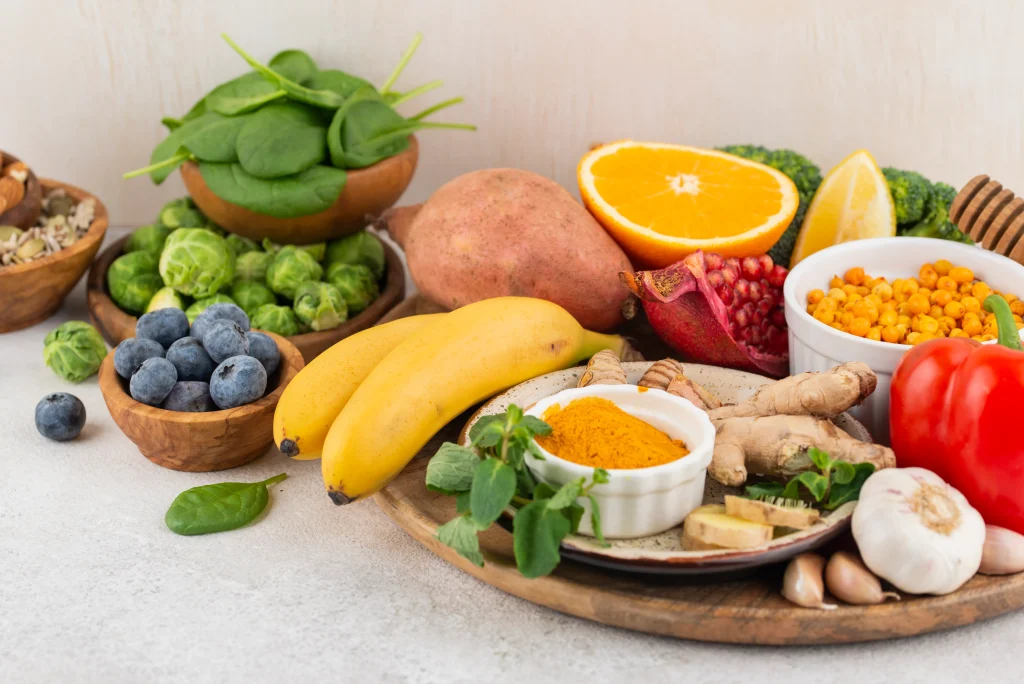
Key Insights
- Nutrient-rich foods help maintain a strong immune system.
- Vitamins, minerals, antioxidants, and probiotics contribute to natural defence mechanisms.
- A diet rich in fruits, vegetables, and whole foods supports overall health and wellness.
- Healthy lifestyle habits complement nutrition for better immunity.
- Consistent dietary choices can enhance energy, recovery, and resistance to infections.
Broccoli: A Supercharged Vegetable
Broccoli is a nutrient-packed vegetable known for its high vitamin C content, which is essential for immune health. It is also loaded with antioxidants and plant compounds like sulforaphane that protect cells from oxidative stress. Including broccoli regularly as part of a powerful foods that boost the immune system may further support overall immune function and wellness.
Adding broccoli to your diet is simple and versatile. It can be steamed, stir-fried, roasted, or blended into soups and smoothies. Eating this vegetable regularly may help the immune system respond more effectively to threats while supporting overall wellness.
Spinach for Immune Support
Spinach is one of the most accessible leafy greens, rich in vitamins, minerals, and antioxidants. It contains carotenoids and flavonoids that support immune function by promoting the activity of T cells and other immune responses. Adding spinach to a balanced diet along with other fruits and vegetables benefits for men can help support long-term health and immunity.
Spinach can be enjoyed in salads, smoothies, soups, or as part of main dishes. Its mild flavour and nutrient density make it easy to incorporate into daily meals, helping maintain long-term health.
Citrus Fruits for Vitamin C
Citrus fruits like oranges, grapefruits, lemons, and limes are celebrated for their high vitamin C content. Vitamin C helps produce white blood cells, which are vital for defending the body against infections. Regular intake of these fruits as part of a balanced nutrition plan may help support faster recovery and stronger immunity.
Citrus fruits also provide hydration, antioxidants, and other compounds that support healthy skin and vascular function. A regular intake of these fruits can help the body recover faster from illnesses and maintain overall vitality.
Bell Peppers: Colourful and Nutrient-Rich
Red and yellow bell peppers are excellent sources of vitamin C, often exceeding the levels found in many citrus fruits. They are also rich in beta-carotene, which helps maintain healthy skin and support immune function. These nutrient-rich foods can also complement strategies focused on healthy eating habits for weight management
Including bell peppers in your diet is simple – they can be eaten raw, roasted, grilled, or added to stir-fries and salads. Their vibrant colours make them a tasty and visually appealing addition to any meal.
Yogurt and Gut Health
A healthy gut is closely connected to a strong immune system. Yogurt contains probiotics, beneficial bacteria that help maintain a balanced gut microbiome.
Consuming yogurt regularly can improve digestive health, support immunity, and enhance nutrient absorption. Choose yogurts with live cultures and lower added sugar for maximum benefits. Yogurt is versatile, pairing well with fruits, smoothies, or eaten on its own.
Turmeric and Curcumin
Turmeric, a common spice with a bright yellow colour, contains curcumin, which has antioxidant and anti-inflammatory properties. Regular consumption of turmeric can help support recovery and overall wellness, especially when combined with habits that boost energy naturally
Turmeric can be added to soups, curries, smoothies, teas, and even warm milk for its health benefits. Pairing turmeric with black pepper can enhance curcumin absorption, maximizing its effectiveness.
Additional Immune-Supporting Foods
Beyond the foods mentioned above, several others are known for their positive impact on immunity:
- Garlic: Contains compounds that may help fight infections and boost immune response.
- Ginger: Supports digestive health and has antioxidant properties that aid immunity.
- Almonds: Provide vitamin E and healthy fats that protect cells and maintain overall wellness.
- Berries: Blueberries, strawberries, and raspberries are rich in antioxidants that reduce oxidative stress.
- Green Tea: Contains catechins, antioxidants that support immune function and overall health.
Including a variety of these foods ensures a wide range of nutrients that collectively strengthen your immune defences.
Lifestyle Habits to Complement Nutrition
A strong immune system depends not only on diet but also on healthy lifestyle choices. Adequate sleep, regular exercise, proper hydration, and stress management all work together to support immunity. In some cases, individuals focused on fitness and recovery may also explore proteins & peptides as part of their overall wellness and nutritional support.
Avoiding smoking and limiting alcohol consumption further enhances your body’s ability to defend against illness. Small but consistent lifestyle adjustments often have a larger impact on immune health than any single food or supplement.
Conclusion
Supporting immunity is a holistic process that involves both diet and lifestyle. Foods like broccoli, spinach, citrus fruits, bell peppers, yogurt, and turmeric provide essential vitamins, minerals, antioxidants, and probiotics that help the body function at its best.
While no single food guarantees protection against illness, consistently eating a balanced, nutrient-rich diet can make a noticeable difference in overall wellness and resilience. Paired with proper sleep, physical activity, and stress management, these foods form the foundation of a healthy immune system.
For those seeking additional health guidance, trusted resources like Accel Pharm can provide information on nutrition and healthy lifestyle practices.
Disclaimer: This content is for informational purposes only and is not medical advice. Always consult a healthcare professional before using any steroids, SARMs, or supplements. Use products responsibly and in accordance with Canadian laws.
Frequently Asked Questions
Which foods provide the most vitamin C for immunity?
Citrus fruits like oranges, lemons, grapefruits, and tangerines are rich in vitamin C, supporting the production of white blood cells and immune health.
How does yogurt support immunity?
Yogurt contains probiotics that help maintain a healthy gut microbiome, which is closely linked to immune function and nutrient absorption.
What role does turmeric play in immune health?
Turmeric contains curcumin, a natural compound with antioxidant and anti-inflammatory properties that may help reduce inflammation and support immune function.
Are leafy greens important for immunity?
Yes, vegetables like spinach provide flavonoids, carotenoids, and essential vitamins that help the immune system respond effectively to infections.
Can diet alone strengthen immunity?
Diet is a critical factor, but it works best alongside healthy lifestyle habits such as adequate sleep, physical activity, stress management, and proper hydration.